
TL;DR
A man’s unconventional dinner habit has been linked to increased productivity, prompting discussions about alternative time management strategies. Experts are examining whether this quirky routine could inspire broader behavioral insights.
A recent trend has emerged around a man’s unconventional dinner habit, which has been linked to enhanced productivity. While the behavior appears quirky, experts are examining whether it could serve as an effective time management or mental focus tool. This development is drawing attention from productivity enthusiasts and researchers alike, who see potential in understanding unconventional routines that may boost efficiency.
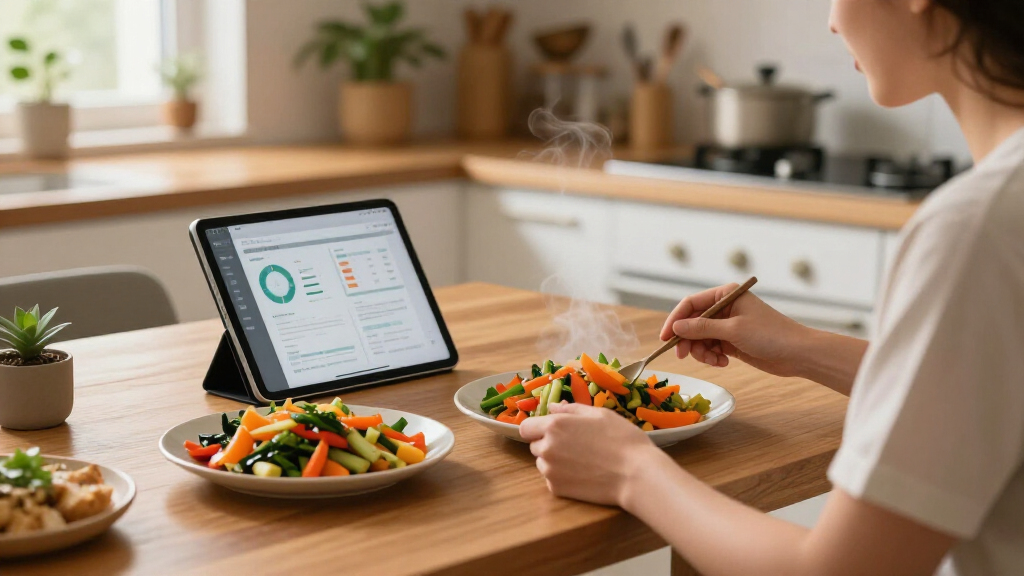
The trend originated from social media discussions and anecdotal reports, where individuals shared stories of how their partners or themselves adopted unusual dinner routines to improve focus and manage time better. One example involves a man who deliberately eats dinner alone in a quiet space, disconnecting from screens and distractions, and reports feeling more energized and organized afterward. While these accounts are largely anecdotal, some productivity experts suggest that such routines may help reset mental focus and reduce decision fatigue.
Research into behavioral routines and productivity indicates that establishing specific, distraction-free periods for mental clarity can improve focus and overall efficiency. The man’s habit of isolating himself during dinner aligns with these principles, though scientific studies directly linking such routines to productivity gains are limited. The trend has gained momentum amid broader conversations about mental health, work-life balance, and behavioral habits that enhance performance.
Potential Implications for Productivity Strategies
This trend highlights how unconventional routines, such as isolating during dinner, might serve as simple yet effective tools for improving focus and managing time. If validated through further research, such habits could influence workplace practices and personal routines, offering alternative methods to boost efficiency without relying solely on traditional productivity techniques. The interest also underscores a broader societal shift towards valuing mental well-being and behavioral flexibility in achieving personal and professional goals.Products Worth Considering

Redbaker Halloween-Tischdekoration, Spukhaus, Holzblock, Schild, Halloween, abgestuftes Tablett, Dekoration, rustikales Bauernhaus, Kürbis, Geist, Tafelaufsätze für Zuhause, Regal, Schreibtisch
Set mit 3 Teilen: Sie erhalten 3 Halloween-Tischdekorationen mit verschiedenen Designs, ausreichend in der Menge, um Ihre Halloween-Heim-…

Halloween-Holzdekorationen
Halloween-Party-Dekoration

Kathfly 9 Stück Halloween-Tischdekorationen, Blumenwaben-Tafelaufsätze
Halloween-Tischdekorationen: Die Halloween-Tischdekorationen mit Wabenstruktur haben insgesamt 9 einzigartige Blumenkarten in 3 Stilen, 9 Bänder und 18 Vasen-Waben-Tischdekorationen,…
As an affiliate, we earn on qualifying purchases.
Over recent months, social media platforms have seen a surge in discussions about unique routines that purportedly enhance productivity. This trend appears to be part of a larger movement emphasizing mental health, mindfulness, and behavioral experimentation. The specific case of the husband’s dinner habit gained popularity through anecdotal posts, with many users sharing similar routines or seeking advice on implementing such practices. While the behavior itself is not new—isolating for mental clarity has roots in meditation and mindfulness practices—the focus on dinner as a dedicated focus period is a newer development. Experts note that the trend’s popularity is driven by increased public interest in alternative self-improvement methods, especially during periods of remote work and increased stress.
Limited Scientific Evidence on Dinner Routine Effectiveness
It is not yet clear whether the husband’s dinner habit directly causes increased productivity or if it is merely correlated with other factors such as overall lifestyle or personality traits. Scientific studies on this specific behavior are limited, and most evidence remains anecdotal. Researchers emphasize the need for controlled studies to determine causality and effectiveness.Further Research and Broader Adoption of Routine Practices
Researchers are likely to investigate the psychological and behavioral impacts of such routines through formal studies. Meanwhile, productivity communities may experiment with similar habits, and individuals might adopt or adapt these practices based on personal effectiveness. As interest grows, more data will clarify whether this trend can be recommended as a general productivity tool or remains a niche behavior.Key Questions
Can a dinner routine really improve productivity?
While anecdotal evidence suggests it might help some individuals reset focus, scientific research is limited. Experts recommend considering personal preferences and experimenting cautiously.
What makes this dinner habit different from other routines?
This routine involves deliberately isolating oneself during dinner to disconnect from distractions, which is less common than traditional methods like scheduled breaks or meditation.
Is this habit suitable for everyone?
Not necessarily. Behavioral routines are highly individual; what works for one person may not work for another. Consulting with a mental health or productivity expert is advisable before adopting new habits.
Will this trend continue to grow?
The trend’s growth depends on ongoing social media interest and emerging research. It may evolve as more people share their experiences or as scientific studies provide clearer insights.
Are there risks associated with isolating during dinner?
For some, isolation might lead to feelings of loneliness or social disconnection. It’s important to balance routines with social interactions and ensure mental well-being.
Source: rss