
TL;DR
Resale and vintage sourcing are becoming more visible in interior design, with younger shoppers joining estate-sale crowds and designers incorporating older pieces into projects. Industry reports cited by Livingetc point to growth in secondhand apparel and furniture, though forecasts do not establish how much is driven by interiors or younger buyers.
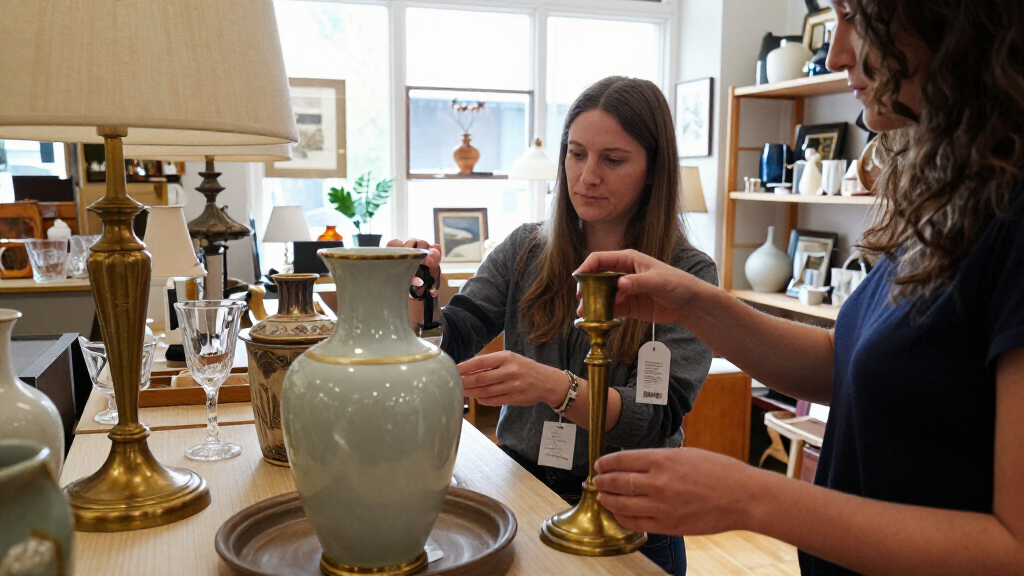
Secondhand shopping is increasingly shaping interior design, as younger consumers join estate-sale and thrift-store shoppers and designers make older furnishings part of contemporary projects, according to a 2026 Livingetc report. The report points to resale-market forecasts and a designer survey as evidence of the shift, while noting that shoppers are drawn not only to lower prices but also to distinctive pieces with visible histories.
Livingetc describes a change in the people attending estate sales: where one writer once recalls being among the youngest shoppers, recent visits have included more Gen Z buyers searching for clothing and home items. The publication characterizes thrifting as moving from a subculture into a broader marketplace. This is an account of changing crowds, not a measured count of shoppers.
The report cites ThredUp’s 13th Annual Resale Report, which projects the global secondhand apparel market will reach about $367 billion by 2029, including roughly $74 billion in the United States. Apparel resale is used as an indicator of wider secondhand trends; the figure is not a forecast for furniture or home goods.
For furniture, Livingetc cites Mordor Intelligence’s estimate that the global secondhand furniture market will grow from about $47 billion in 2025 to $62.7 billion by 2031. It also reports that Technavio projects the category will expand by about $11.24 billion from 2025 to 2030. Separately, the publication says UK vintage furniture marketplace Vinterior reported interior designer sales up 53% year on year in 2026. That is a company-specific sales measure, not an industry-wide rate.
Why Designers Want Older Pieces
The shift matters because resale is influencing not only where people shop but also what they consider desirable at home. Livingetc describes a move toward patina, visible grain and traditional joinery, with buyers valuing objects that feel singular rather than mass-produced. Older furniture can also offer a route to distinctive interiors without buying everything new, though the report does not quantify shoppers’ savings.
The report links this taste to sustainability and the appeal of reuse, while also describing provenance as a source of status. It cites “wood bragging” on social media: designers or homeowners explaining where a table’s timber came from or what a salvaged piece used to be. That trend suggests history itself can add perceived value, but it does not show that sustainability is the main reason every buyer chooses secondhand.
For retailers, vintage dealers and designers, broader demand could support more resale channels and professional sourcing. For consumers, a more competitive market may mean that sought-after pieces are harder to find or no longer inexpensive. The source material offers no price data to establish whether that is already happening across the market.
From Thrift Finds to Design Practice
The report frames resale’s rise through a contrast between older ideas of success and current design tastes. New finishes and untouched furniture once served as visible signs of affluence; now, the publication says, interiors often celebrate age and repair. This change does not mean that demand for new goods has disappeared. Rather, new and secondhand furniture coexist as different ways to furnish a home.
Livingetc’s account combines personal observation with market data. It recalls thrift shopping as a practical way to find well-made or unusual items, then describes younger shoppers arriving at estate sales. The report also cites 1stDibs’ 2026 Annual Designer Survey: 81% of surveyed interior designers said they sourced furniture and decor from the 1920s through the 1990s. That finding reflects the survey’s respondents and does not establish the share of all design projects that use vintage pieces.
What the Market Figures Cannot Show
The figures cited are a mix of forecasts, survey responses and company-reported sales, rather than one consistent measure of current demand. The report does not provide the methods or full sample details for each figure, and projected market growth may not match eventual results. The apparel forecast also cannot by itself establish the scale or causes of growth in home furnishings.
It remains unclear how much of the increased interest comes from affordability, environmental concerns, the search for unique design, or social-media influence. The article describes changing estate-sale crowds but gives no attendance totals or age breakdowns. It also does not provide comparable data on prices, supply, or the share of households buying secondhand furniture.
Tracking Resale Beyond Forecasts
The next useful indicators will be actual sales and pricing data, alongside future designer surveys and market reports. Those measures could show whether interest translates into sustained purchases and whether vintage sourcing spreads beyond high-end design projects. Until then, the available evidence supports a visible change in design taste and projected market expansion, but not a precise account of how quickly the wider home-resale market is changing.
Key Questions
What is changing in interior design?
Livingetc reports growing interest in older, secondhand and vintage furnishings, including pieces valued for their material details, patina and history.
How large is the secondhand furniture market?
Mordor Intelligence estimates the global market at about $47 billion in 2025 and projects it could reach $62.7 billion by 2031. These are estimates and forecasts cited by Livingetc, not final results.
Does the apparel resale forecast measure home-furnishing sales?
No. ThredUp’s cited forecast concerns secondhand apparel. Livingetc presents clothing resale as an indicator of broader secondhand trends, not as a direct measure of furniture sales.
Are younger people driving the trend?
The report describes more Gen Z shoppers at estate sales, but provides no attendance counts or age-based market data to establish how much younger buyers contribute to overall growth.
Source: rss