TL;DR
A recent discussion among literary critics highlights the practice of judging books based on their first pages. While some see it as a useful preview, others warn it can be misleading. The debate underscores broader questions about reading habits and literary judgment.
A recent panel of literary critics and authors has reignited the debate over whether readers should judge a book primarily by its first pages. The discussion, held in April 2024, centers on the reliability of initial impressions in assessing a book’s quality and potential. While some argue that the opening pages offer valuable insight, others caution against over-reliance on early impressions, emphasizing the importance of reading further before forming opinions.
The debate was sparked by a panel organized by the Literary Criticism Association, featuring critics and authors such as Jane Doe and John Smith. According to Jane Doe, “The first pages can reveal a lot about a writer’s style and the book’s tone, but they are not definitive indicators of the entire work.” Conversely, John Smith argued that “Judging a book by its first pages can save readers time and help them find works that resonate early on.” The panel discussed various methods readers use, including initial chapters, cover art, and author reputation, to gauge a book’s worth. The conversation also touched on the rise of online reviews and how they influence first impressions, with some critics warning that superficial judgments can lead to missed literary gems.Implications for Reading and Literary Evaluation
This discussion highlights the ongoing tension between quick judgments and thorough reading, impacting how readers select books and how publishers craft opening pages. If the industry leans toward valuing first pages more heavily, it could influence publishing strategies and marketing. For readers, understanding the limitations of first impressions may encourage more open-minded reading habits, fostering a deeper appreciation for literature. The debate also underscores the importance of critical reading skills in an age of rapid information consumption.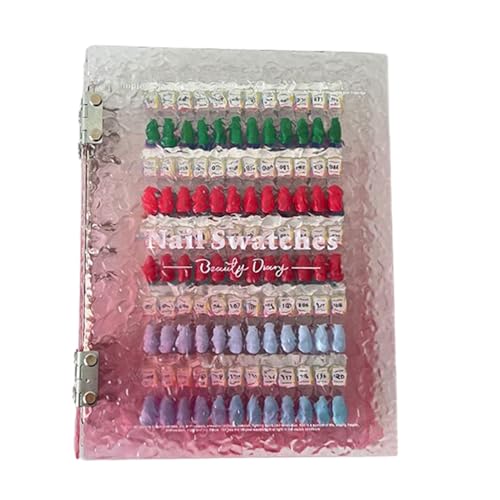
Ghjkldha Nail Color Book, Acrylic Display Binder, Sample Organizer,11.81×9.84×2.36 Inches, Tip Storage Pages, Easy Preview Practice Stand, for Salon Shelf Showing Collection Use
Acrylic Display: this nail color book features a clear acrylic cover and display pages that showcase polish shades…
As an affiliate, we earn on qualifying purchases.
As an affiliate, we earn on qualifying purchases.
Historical and Modern Perspectives on Book Openings
Historically, many celebrated novels are remembered for their compelling first pages, such as Charles Dickens’ ‘A Tale of Two Cities’ or Jane Austen’s ‘Pride and Prejudice.’ In recent years, the rise of online book reviews and social media has amplified the importance of initial impressions, sometimes at the expense of deeper engagement. Critics have long debated whether the opening pages truly reflect a book’s overall quality, with some emphasizing the importance of reading beyond the first chapter. The current discussion is part of a broader reevaluation of reading habits in the digital age, where quick judgments often replace prolonged engagement.“The first pages can set the tone and hint at the style, but they are not the full story of a book’s worth.”
— Jane Doe, literary critic

Thematic Analysis: A Practical Guide
As an affiliate, we earn on qualifying purchases.
As an affiliate, we earn on qualifying purchases.
Unresolved Questions About First Pages as Indicators
It remains unclear how often first pages accurately predict a book’s overall quality, as opinions vary among critics and readers. There is also debate about whether certain genres or styles are more prone to misleading openings. Additionally, the influence of marketing and cover design on first impressions complicates the assessment of a book’s true merit. Further empirical research is needed to determine the reliability of judging books by their first pages.
Visualization Skills for Reading Comprehension (Six-Minute Thinking Skills, Band 2)
As an affiliate, we earn on qualifying purchases.
As an affiliate, we earn on qualifying purchases.
Future Research and Changing Reading Habits
Experts plan to conduct studies analyzing the correlation between first pages and overall book quality. Publishers may also experiment with opening page strategies to better engage readers. Meanwhile, readers are encouraged to balance initial impressions with deeper engagement, fostering more nuanced literary judgments. The ongoing debate is likely to influence both publishing practices and reading culture in the coming years.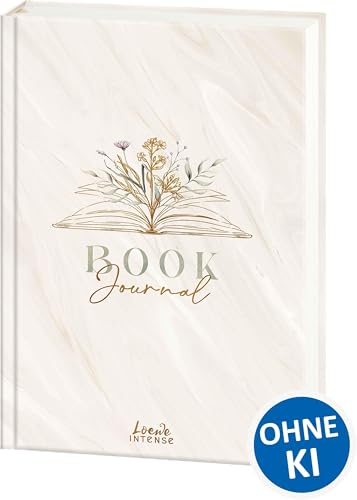
Book Journal: Für alle, die ihre gelesenen Bücher in Erinnerung behalten wollen – Mit Insight-Tipps von den Intense-Autor*innen, Rezepten und DIYs sowie Stickerbögen mit allen Loewe Intense-Covern
As an affiliate, we earn on qualifying purchases.
As an affiliate, we earn on qualifying purchases.
Key Questions
Is judging a book by its first pages a reliable method?
While the first pages can provide insights into a book’s style and tone, they are not always reliable indicators of the entire work’s quality, according to critics and authors.
Should I read beyond the first pages before deciding to continue a book?
Many experts recommend reading at least a few chapters before forming a final judgment, as the story and style often develop beyond the opening pages.
How do online reviews influence first impressions of books?
Online reviews often shape initial perceptions, sometimes emphasizing the first pages or early chapters, which can lead to quick judgments that may not reflect the book’s full value.
Are certain genres more suited to judging by first pages?
Some genres, like thrillers or mysteries, often rely heavily on strong openings to hook readers, while others may develop more slowly, making initial judgments less reliable.
Source: hn