TL;DR
The Verge’s Thomas Ricker reports that a Kiwibit Bird Feeder 2 Pro initially brought small birds to his garden and delivered AI species alerts, but pigeons later monopolized the feeder and mice gathered beneath it. He removed the device and advises would-be buyers to try a simpler, less expensive feeder before investing in a smart model.
The Verge’s Thomas Ricker says he removed a Kiwibit Bird Feeder 2 Pro from his garden after pigeons began monopolizing its seed and mice started feeding on what fell below. His account describes a smart feeder that initially drew small birds and sent AI-generated species alerts, but whose usefulness was overtaken by unwanted visitors.
Ricker says the feeder attracted small birds within weeks of installation. Alerts on his phone identified visitors as great tits and Eurasian blue tits, and he enjoyed watching them in the device’s 4K HDR video. He also used the Kiwibit app to read about the birds’ habits, nesting and food preferences.
The experience changed when a common wood pigeon arrived and blocked the camera’s view, according to Ricker. He activated the feeder’s nuisance-animal alarm, but says the bird did not leave. It continued eating for about 15 minutes, until he went outside and shooed it away.
Ricker writes that pigeons returned and stayed at the feeder for extended periods, while mice gathered below to eat spilled seed. He eventually took the feeder down and put it in a closet. He says he does not blame Kiwibit, and describes the product as enjoyable to use before the pest problem emerged.
Smart Feeding Has a Pest Trade-Off
The account highlights a practical limitation for people considering camera-equipped bird feeders: identifying birds and recording them does not prevent other animals from reaching the food. In Ricker’s garden, the feeder attracted the small birds he hoped to see, but its seed also drew pigeons and mice.
That matters because a smart feeder is a costlier commitment than a basic one. Ricker’s takeaway is to begin with a simpler, inexpensive feeder rather than buy an advanced model immediately. His experience is one reviewer’s account, not evidence that every smart feeder or installation will attract the same animals.

Vogelhaus mit Kamera, Rollei Vogelfutterhaus Smart AI Bird Feeder 3K
- High-Resolution Camera: 3K resolution for sharp images and videos
- AI Bird Recognition: Identifies various bird species automatically
- Customizable Monitoring Area: Focus on specific regions of interest
As an affiliate, we earn on qualifying purchases.
As an affiliate, we earn on qualifying purchases.
A Promising Trial Turns Sour
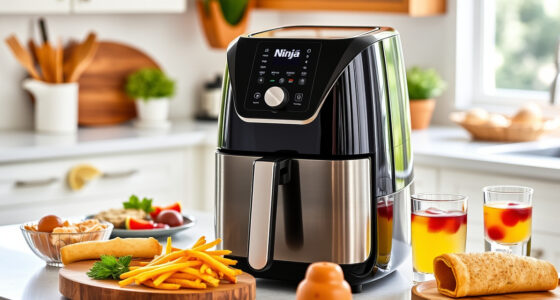
Ricker tested the Kiwibit Bird Feeder 2 Pro, described in the report as a 4K AI camera feeder with a solar panel and lifetime AI included. The source lists its price as $269, reduced from $350. Its features let him watch recorded footage and receive alerts that attempted to identify visiting birds.
The report is a first-person product account, not a controlled comparison of feeder designs or a test of how common pest problems are. Ricker’s recommendation comes from his own experience: he suggests starting with an inexpensive, non-AI feeder, in part because a used feeder may not be returnable simply because it attracts pests.
“Looks like Great Tit!”
— Kiwibit app alert, quoted by Thomas Ricker

Kingsyard 2X Vogelfutterspender 38cm – mit 6 Anflugstangen, Vogel Futterstation, Wildvogelfutterspender für Sämereien, ganzjährige Fütterung, für Garten/Terrasse/Balkon, Schwarz
- Durable Outdoor Design: Weather-resistant for outdoor use
- Multiple Feeding Ports: 6 perches for multiple birds
- Keeps Seeds Fresh: Drainage holes prevent mold
As an affiliate, we earn on qualifying purchases.
As an affiliate, we earn on qualifying purchases.
How Common Are These Problems?
The source does not establish how often smart feeders attract pigeons or mice, or whether the outcome depended on Ricker’s garden, the feeder’s placement or the seed. It also does not report a controlled test comparing the Kiwibit device with a basic feeder.
Ricker says pigeons—or possibly more than one pigeon—returned, but he could not tell whether the same bird was responsible. The account gives no information about a response from Kiwibit, any product changes, or whether the reviewer later tried another feeder.
As an affiliate, we earn on qualifying purchases.
A Cautious Start for Buyers
Ricker’s report offers no announced follow-up from the company or scheduled next test. Its practical guidance is to start with a basic feeder before spending more on AI identification and video features, then judge how local birds and other animals respond.
Whether the Kiwibit remains in use is not stated; Ricker says he put it away. The broader question for prospective buyers is whether the extra camera and app features are worth the price when a feeder’s food can attract animals the owner did not intend to host.
Owl Decoy Birds Deterrents Devices – 2-Pack Reflective Hanging Scarecrow, Wind-Activated 360° Swivel, Integrated Bird Scare Bells, Double Sided Flash | for Yard
- Effective Bird Deterrent: Repels birds from gardens and patios
- Realistic Owl Design: Double-sided owl pattern with reflective tape
- Sound and Movement: Includes bells and reflective features for scare effect
As an affiliate, we earn on qualifying purchases.
As an affiliate, we earn on qualifying purchases.
Key Questions
What happened to the Kiwibit Bird Feeder 2 Pro?
Thomas Ricker says he took it down after pigeons repeatedly ate from it and mice gathered below to feed on spilled seed.
Did the AI bird alerts work?
The feeder sent alerts identifying small birds as great tits and Eurasian blue tits, and later identified a common wood pigeon. The report does not independently verify the accuracy of those identifications.
Did the feeder’s nuisance-animal alarm stop the pigeon?
Not according to Ricker. He says the pigeon reacted to the alarm but kept eating until he went outside and shooed it away.
Does this show that smart bird feeders always attract pests?
No. This is one reviewer’s experience, and the report does not establish how common the problem is or whether other feeders would produce the same result.
What does the reviewer recommend to potential buyers?
Ricker suggests beginning with a simple, inexpensive feeder without AI rather than committing immediately to a more costly smart model.
Source: rss