
TL;DR
Jaël, a 15-year-old from Amsterdam-Zuidoost, states that public interest in his neighborhood has risen only after redevelopment aimed at attracting white residents. The story raises questions about gentrification and community impact.
Fifteen-year-old Jaël from Amsterdam-Zuidoost has publicly stated that people only now want to visit his neighborhood after it was redeveloped to appeal more to white residents, sparking discussions about gentrification and community dynamics.
Jaël, a local student, made these remarks in an interview with Het Parool, criticizing the timing of increased interest in his neighborhood, which he describes as a result of redevelopment aimed at attracting wealthier, often white, residents. He claims that prior to these efforts, the neighborhood was overlooked and undervalued by outsiders.
The redevelopment includes new housing projects, commercial investments, and urban improvements that have attracted media and visitor attention only recently. Jaël emphasizes that this shift does not reflect genuine community interest but rather a superficial curiosity driven by gentrification.
Local residents and community organizations have expressed concern that the renewed attention is linked to displacement and cultural erasure, rather than authentic appreciation for the neighborhood’s diversity and history.
Implications of Gentrification in Amsterdam-Zuidoost
This story highlights ongoing issues of gentrification and social displacement in Amsterdam-Zuidoost. The increased interest driven by redevelopment efforts can lead to rising property prices and displacement of long-standing residents, often affecting marginalized communities. Jaël’s comments underscore the tension between urban renewal and community preservation, raising awareness about the need for inclusive development that respects local identities.

Urban Morphology versus Urban Redevelopment and Revitalisation: Proceedings of the XXIX Conference of the International Seminar on Urban Form 2022 (The Urban Book Series)
As an affiliate, we earn on qualifying purchases.
As an affiliate, we earn on qualifying purchases.
Background of Urban Redevelopment and Community Concerns
Amsterdam-Zuidoost has experienced significant redevelopment over the past decade, aiming to modernize housing and attract new residents and businesses. Critics argue that these efforts primarily benefit wealthier, often white, newcomers, while existing residents face rising costs and cultural displacement. Historically, the neighborhood has been diverse, with a mix of different ethnic communities, but recent changes have intensified debates about gentrification and social justice.
Jaël’s remarks follow similar sentiments expressed by community leaders and residents who feel that the neighborhood’s authentic character is being overshadowed by superficial interest motivated by economic gains.
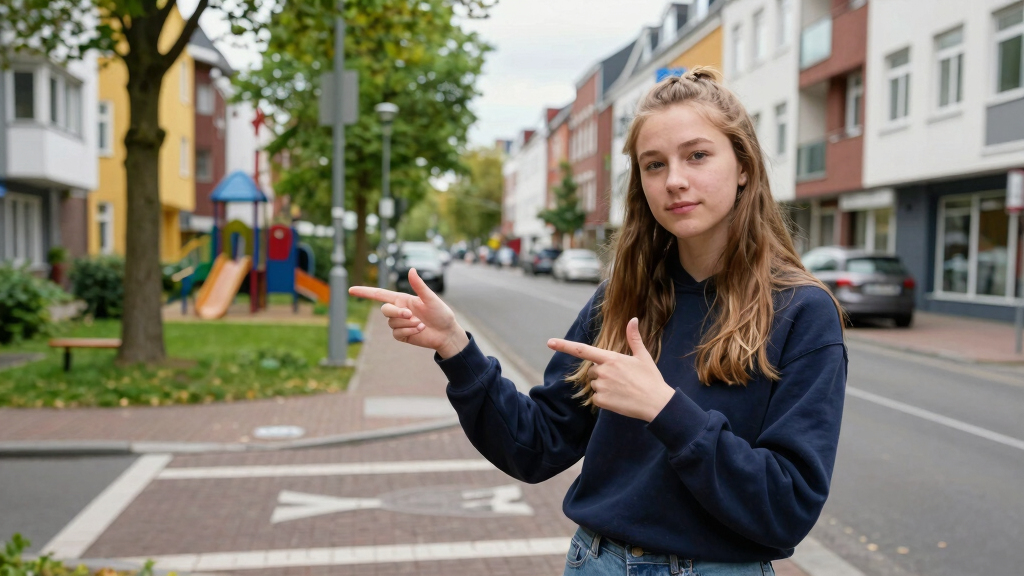
“People only now want to visit my neighborhood after it was made more attractive for white people.”
— Jaël (15)

ENGAGEMENT SPECIALIST: Journal, Notes, Ideas, Actions, Priorities, Checklists, Milestones, Log | Daily Goals, Engagement‑Program Notes & Workflow Tool … Community‑Engagement Gifts & Outreach Teams
As an affiliate, we earn on qualifying purchases.
As an affiliate, we earn on qualifying purchases.
Unclear Impact of Increased Interest on Local Residents
It remains unclear how the recent interest will affect long-term residents and whether redevelopment will lead to displacement or community benefits. The full scope of changes and their social impact are still developing, and opinions among residents vary.

GOODS+GADGETS® Periodensystem der Elemente Poster XXL 140×100 cm
- Complete Element Data: All 118 elements with details
- Color-Coded Categories: Different colors for element groups
- Large XXL Size: 140×100 cm for easy reading
As an affiliate, we earn on qualifying purchases.
As an affiliate, we earn on qualifying purchases.
Potential Policy Responses and Community Engagement
Local authorities and community organizations are expected to discuss measures to balance redevelopment with social inclusion. Monitoring the neighborhood’s development and engaging residents in planning processes will be key to ensuring that growth benefits existing communities and preserves cultural diversity.
As an affiliate, we earn on qualifying purchases.
Key Questions
Why does Jaël believe people only now want to visit his neighborhood?
He believes that interest only increased after redevelopment efforts aimed at attracting white residents, rather than genuine community interest.
What are the concerns of local residents regarding redevelopment?
Residents worry about displacement, rising housing costs, and the erosion of the neighborhood’s cultural identity.
How might this story influence future urban planning in Amsterdam?
It could lead to more inclusive policies that prioritize community input and aim to prevent displacement during redevelopment.
Is there any official response to Jaël’s comments?
As of now, there has been no formal response from local government; discussions are ongoing among community groups and policymakers.
Source: local