
TL;DR
This article explains how you can generate a complete set of publishing assets from a single video without using the cloud. It covers the process, benefits, tradeoffs, and real-world applications of a local-first workflow that keeps your content private and costs down.
Imagine finishing a video and having a whole publishing kit ready in minutes — no cloud, no waiting. You keep your footage on-site, control every step, and avoid subscription fees by exploring lifestyle tips. This isn’t a pipe dream. It’s now possible with local-first workflows that turn a single video into social posts, blogs, thumbnails, and more, all without leaving your machine.
In this article, I’ll show you how a system like ChannelHelm makes this a reality. You’ll learn how it works, what it offers, and why more creators and organizations are choosing to keep their media local. If you’re tired of cloud costs, slow turnaround, or privacy worries, stay tuned.
Key Takeaways
- A local-first workflow can produce a full publishing kit from a single video, including social clips, blogs, and thumbnails, all on-site.
- Going local reduces costs, speeds up turnaround, and keeps your footage private, but it requires reliable hardware and technical know-how.
- You can set up your own system in four steps: hardware selection, software installation, ingestion, and review/publishing.
- Compared to cloud systems, local workflows offer more control but may face scalability limits and maintenance demands.
- Ideal for security-sensitive environments, small teams, or anyone wanting total control without recurring cloud fees.
As an affiliate, we earn on qualifying purchases.
How a Local Workflow Turns One Video into Everything You Need
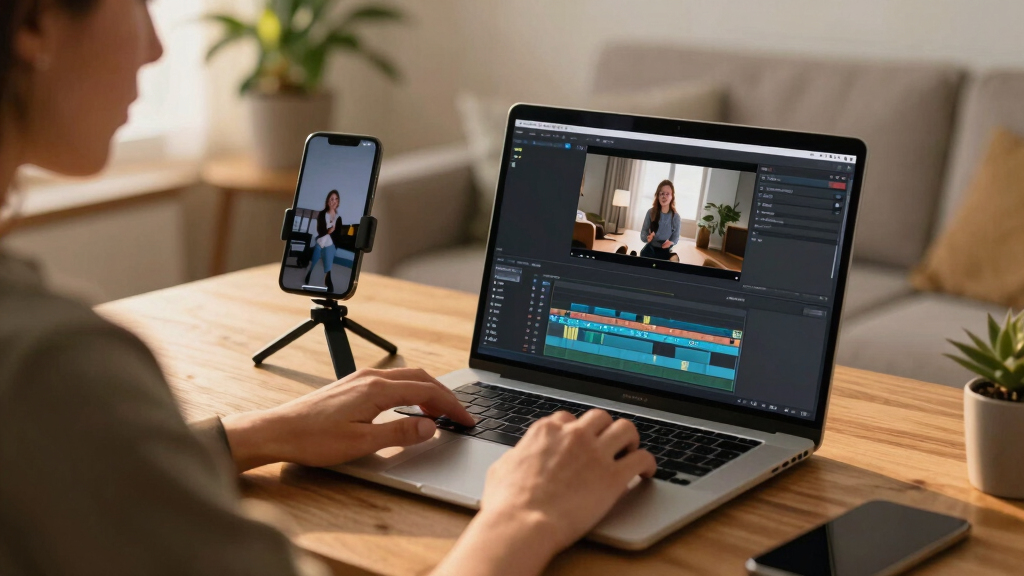
When you drop a video into a local system, it doesn’t just sit there waiting to be uploaded again and again. Instead, it’s processed through multiple layers — audio transcription, visual description, and intelligent scene analysis.
For example, a creator recording a product review can generate a full social media set, a blog draft, and even a newsletter blurb, all from one source. The magic lies in how the system understands the video — not just what’s spoken, but what’s shown, and why it matters.
This approach reduces repetitive tasks, speeds up publishing, and keeps everything on your machine. No cloud means fewer delays, fewer security worries, and lower recurring costs. Check out the detailed workflow at ChannelHelm for more on local video publishing systems.
As an affiliate, we earn on qualifying purchases.
Why Going Local Saves You Time, Money, and Privacy Headaches
Choosing a local-first setup means you’re in control. No more waiting for cloud uploads or worrying about data breaches. You keep your footage on-site, and the system only pulls what it needs to generate assets.
Plus, costs drop sharply. Instead of monthly cloud subscriptions, you invest once in hardware and software, and the system handles the rest. A small team can turn around a full publishing kit in under an hour, no fuss, no delays.
Think about a small marketing team at a local school. They record a video, and within minutes, they publish it across Facebook, Instagram, and their website — all from their own server. No cloud, no lag, total privacy.
Beyond cost savings, this approach also enhances privacy and security. When your content remains on your local hardware, you eliminate the risk of data breaches or leaks associated with cloud storage. This is especially critical for sensitive or proprietary content, where control over your data is paramount. However, it also means you’re responsible for maintaining the security of your system, including updates and backups. While this requires some technical know-how, the tradeoff is a significantly lower risk profile for your media assets. Learn more about outdoor activities and gear reviews.

video editing software for local workflows
As an affiliate, we earn on qualifying purchases.
As an affiliate, we earn on qualifying purchases.
Tradeoffs of a Cloud-Free System: Hardware, Limits, and Maintenance
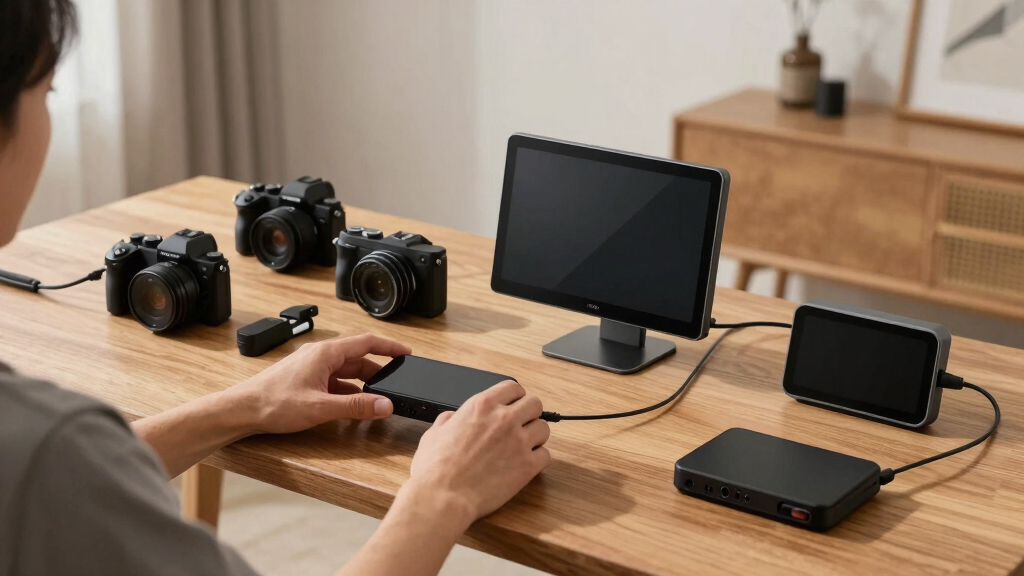
While the benefits are clear, going local isn’t without hurdles. You need reliable hardware, enough storage, and the know-how to keep things running smoothly. Scaling up can be tricky — your on-prem setup may struggle with very large projects or multiple simultaneous videos.
For example, a small video studio might operate perfectly on a dedicated server, but a big enterprise will need more powerful hardware and backup plans. The key is to balance your needs with what your local system can handle.
On the plus side, hardware like the ChannelHelm setup can run on standard PCs or dedicated servers, but it’s vital to understand your storage and processing limits before scaling. Discover more at home improvement and lifestyle tips. You should also consider potential bottlenecks, such as processing power, network bandwidth, and storage capacity, which directly impact your workflow speed and scalability. The more complex your projects become, the more you’ll need to invest in hardware upgrades or optimized configurations. This means that while the initial setup might be straightforward for small projects, larger operations require careful planning to avoid performance issues and downtime.


Digital Asset Management: Professional Video and Television File-based Libraries
As an affiliate, we earn on qualifying purchases.
As an affiliate, we earn on qualifying purchases.
How to Build Your Own Local Video Publishing Kit in 4 Easy Steps
- Choose your hardware: A good starting point is a multi-core PC with at least 16GB RAM and 1TB SSD for storage, depending on your video volume.
- Install the software: Download and set up a system like ChannelHelm from GitHub. Follow the instructions to connect your hardware.
- Ingest videos: Drop your files into the folder or paste links. The system automatically detects the source and begins processing. For more on efficient workflows, visit travel tech and connectivity.
- Review and publish: Use the built-in dashboard to edit assets, approve, and push them to your website, social media, or internal platform. For tips on outdoor productivity, see outdoor living and water sports.
Comparison Table: Cloud vs. Local Video Publishing Systems
| Feature | Cloud-Based | Local-First |
|---|---|---|
| Cost | Recurring subscription fees | One-time hardware/software purchase |
| Speed | Dependent on internet speed | Fast, hardware-dependent processing |
| Privacy | Data stored externally | All data stays on-site |
| Scalability | Easy to scale up | Limited by hardware |
| Control | Limited; cloud provider controls data | Full control over assets |
Real-World Use Cases for a No-Cloud Video Kit
Security firms recording internal training videos use local workflows to keep footage private and instantly publish updates. Schools record lessons and share them internally without risking leaks. Small businesses produce marketing videos, then push clips to social media from their own servers. Even academic researchers handle sensitive footage without cloud exposure.
For instance, a security company might record a 24/7 surveillance feed, then generate daily summaries, clips, and reports — all stored and processed locally, reducing latency and enhancing security.
What You Need to Know Before Going All-In on Local Publishing
Assess your hardware capacity, your team’s technical skills, and your storage needs. The system works well for small to medium projects, but large-scale operations may require more robust infrastructure.
Plan for maintenance, backups, and future upgrades. Remember, no cloud means no automatic failover or cloud-based support. You’re responsible for keeping everything running smoothly.
Check out real-world hardware setups and detailed specs at UniFi community and other sources for ideas tailored to your needs.
Frequently Asked Questions
Does a local workflow support publishing to multiple platforms?
Absolutely. Systems like ChannelHelm can generate assets for YouTube, social media, blogs, and even internal portals — all from the same source video. You just need to configure the outputs for each platform.
What hardware do I need to run this effectively?
A typical setup includes a multi-core PC or server with at least 16GB RAM and 1TB SSD storage. For larger projects, consider more RAM and additional drives. Check out detailed specs at ChannelHelm GitHub.
Can I scale this system as my needs grow?
You can, but it depends on your hardware. Upgrading RAM, adding storage, or moving to more powerful servers allows better performance. However, larger projects might require a more advanced infrastructure or hybrid solutions. Planning ahead ensures your system can grow without bottlenecks, and understanding your hardware limits helps avoid unexpected downtime or slowdowns as your workload increases.
Is there a risk of obsolescence or vendor lock-in?
Since these are often open-source or modular systems, you retain control over updates and choices. Regularly updating your software and maintaining backups can prevent obsolescence. Avoiding vendor lock-in means you can switch tools or customize your setup as needed, ensuring longevity and adaptability for your workflow.
How secure is a local-only system?
Much more secure than cloud options if properly maintained. Your footage stays on-site, access can be tightly controlled, and you avoid vulnerabilities associated with cloud storage. The key is implementing strong security practices—regular updates, restricted access, and physical security measures—to protect your hardware and data from threats.
Conclusion
Building a comprehensive publishing kit from one local video isn’t just a dream — it’s increasingly practical today. The key is choosing the right hardware and software that match your scale and skills. When you control your media from start to finish, you gain speed, privacy, and peace of mind that no cloud can match.
So, next time you finish a video, ask yourself: could I turn this into an entire publishing pipeline — without leaving my desk or risking a cloud breach?