
TL;DR
Washington D.C. has achieved a major milestone in its smart composting initiative, with over 1 million pounds of organic waste collected. The program aims to reduce landfill burden and promote sustainable urban waste practices.
Washington D.C. has announced that its network of smart composting bins has collected over 1 million pounds of organic waste, marking a significant milestone in the city’s efforts to improve urban waste management and promote sustainability. The achievement underscores the city’s commitment to reducing landfill volume through innovative, technology-enabled composting solutions.
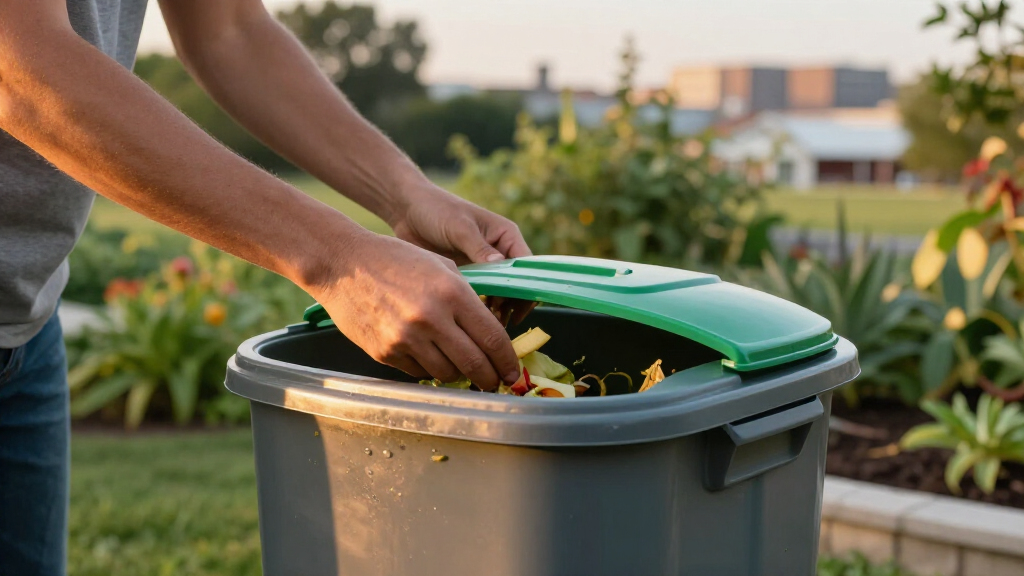
The milestone was reached after approximately 12 months of operation of the city’s smart composting program, which was launched as part of D.C.’s broader sustainability and waste reduction initiatives. The program involves the deployment of sensor-equipped compost bins across key neighborhoods, designed to monitor fill levels, optimize collection routes, and encourage community participation.
According to city officials, the smart bins have been instrumental in increasing composting rates and reducing contamination of organic waste. The program’s data indicates that collection volumes have steadily grown since launch, with an average of 80,000 pounds of organic waste collected per month in recent months. The city also reports a rise in community engagement, with more residents participating in composting efforts.
Officials from the D.C. Department of Public Works (DPW) stated that the milestone demonstrates the potential of integrating technology into urban waste management systems. The program’s success could serve as a model for other cities seeking sustainable waste solutions and digital innovations in public services.
Implications for Urban Waste Management and Sustainability
The achievement of over 1 million pounds of collected organic waste highlights the effectiveness of smart technology in urban composting initiatives. It signals a shift toward more data-driven, efficient waste collection systems that can reduce landfill dependency, lower greenhouse gas emissions, and promote circular waste practices. The milestone also demonstrates increased community participation, which is critical for the success of sustainability programs in dense urban environments. As cities face mounting pressure to address waste and climate challenges, D.C.’s progress offers a tangible example of how digital tools can enhance environmental outcomes and public engagement.

ELPHECO Automatischer Mülleimer mit Deckel Sensor Mülleimer, 9 Liter Badezimmer Abfalleimer, Smart Mülleimer mit Soft Close Deckel, Wasserdichter Mülleimer für Büro, Intelligenter Mülleimer
- Sensor-Technologie: Reduziert unnötiges Öffnen, verlängert Batterielebensdauer
- Automatischer Deckel: Öffnet und schließt automatisch bei Bewegung
- Batteriebetrieben: Benötigt 2 AA-Batterien (nicht enthalten)
As an affiliate, we earn on qualifying purchases.
As an affiliate, we earn on qualifying purchases.
Background on D.C.’s Composting Efforts and Technology Deployment
Washington D.C. has been expanding its waste diversion programs over the past several years, with composting emerging as a key focus area. The city’s traditional composting efforts were limited in scope, often hampered by logistical inefficiencies and contamination issues. The introduction of smart composting bins, equipped with sensors and data analytics, was intended to address these challenges by optimizing collection routes, reducing missed pickups, and encouraging resident participation.
The program was officially launched in early 2023, initially piloting in select neighborhoods before expanding citywide. The deployment involved partnerships with technology firms specializing in smart waste management solutions, aiming to integrate data into city operations. Prior to reaching this milestone, city officials reported steady growth in composting volumes but had not publicly disclosed specific collection figures or milestones.
This initiative aligns with broader national trends toward digital transformation in municipal services, as cities seek to leverage IoT and data analytics to improve efficiency and sustainability. The focus on composting reflects both environmental goals and public health priorities, given the potential to reduce landfill overflow and methane emissions from organic waste.

Hausfelder Biomülleimer Küche 5L mit Sieb & Deckel – geruchsdicht
- Odor-proof lid: Seals tightly to prevent smells and flies
- Removable sieve: Keeps waste dry and easy to empty
- Durable construction: Made from sturdy, shape-retaining plastic
As an affiliate, we earn on qualifying purchases.
As an affiliate, we earn on qualifying purchases.
Unconfirmed Aspects of Program Impact and Future Goals
While the milestone confirms significant progress, it is still unclear how the program will evolve in the coming years. Details about long-term expansion plans, funding, and integration with other waste management initiatives have not been publicly disclosed. Additionally, the precise impact on landfill reduction and greenhouse gas emissions remains to be quantified with comprehensive environmental data.
It is also uncertain whether similar smart composting solutions will be adopted in other cities or scaled further within D.C. The effectiveness of the program in diverse neighborhoods and its adaptability to different urban contexts are still being evaluated.

Tumbling Komposter 160L mit Thermometer – Verbesserter Doppelkammer-Kompostbehälter aus verstärktem PP, BPA-frei | Robuster Stahlrahmen, einfache Montage & Drehdesign für schnelle Kompostierung (Grün)
- High-Quality Material: BPA-free modified polypropylene with steel frame
- Large Capacity: 160L twin-chamber compost bin
- Temperature Indicator: Built-in visible thermometer for monitoring
As an affiliate, we earn on qualifying purchases.
As an affiliate, we earn on qualifying purchases.
Next Steps for the D.C. Smart Composting Initiative
City officials plan to continue expanding the smart composting network, aiming to increase collection volumes and community participation further. They will monitor data to optimize operations and assess environmental impacts more precisely. The city also intends to explore additional features such as real-time feedback for residents and integration with other waste diversion programs.
Further reporting and data analysis are expected over the next 12 months to evaluate the program’s long-term sustainability and scalability. Officials have indicated that success metrics will include increased participation rates, waste diversion percentages, and environmental benefits.
digital composting system for apartments
As an affiliate, we earn on qualifying purchases.
As an affiliate, we earn on qualifying purchases.
Key Questions
How many pounds of organic waste has D.C. collected through the smart bins?
Over 1 million pounds of organic waste have been collected since the program’s launch, according to city officials.
What technology is used in the smart composting bins?
The bins are equipped with sensors that monitor fill levels, temperature, and other data points to optimize collection and promote participation.
Will the program expand to more neighborhoods?
Yes, city officials plan to expand the network further, aiming to increase collection volumes and community engagement.
What environmental benefits are expected from this program?
The program aims to reduce landfill volume, lower methane emissions, and promote circular waste practices in the city.
Is this program unique to Washington D.C.?
While similar initiatives exist elsewhere, D.C.’s use of sensor-equipped smart bins for composting is considered innovative and potentially scalable.
Source: local