
TL;DR
A Family Handyman report recommends checking insulation and air leaks in 10 areas before winter, with attic and roof spaces as the first priority. Contractors quoted in the report say the work can help limit drafts, protect vulnerable pipes and reduce heat loss; results and savings depend on each home.
A Family Handyman report has outlined 10 home areas to check for insulation gaps and air leaks before winter, including attics, exterior walls, windows, pipes and HVAC ducts. Contractors quoted in the report say addressing those areas can help limit heat loss and protect pipes in unheated spaces, though the appropriate work depends on the home.
The report puts attic and roof spaces first. Roofer Andre Kazimierski says aging roofs can develop gaps that let cold air enter the attic and then reach the living space. The report advises checking the attic floor insulation as well as the roof, since many attics are vented and should be thermally separated from the rest of the house. It lists fiberglass batts or blown-in insulation for the floor and suggests a roofer inspect an old or weathered roof.
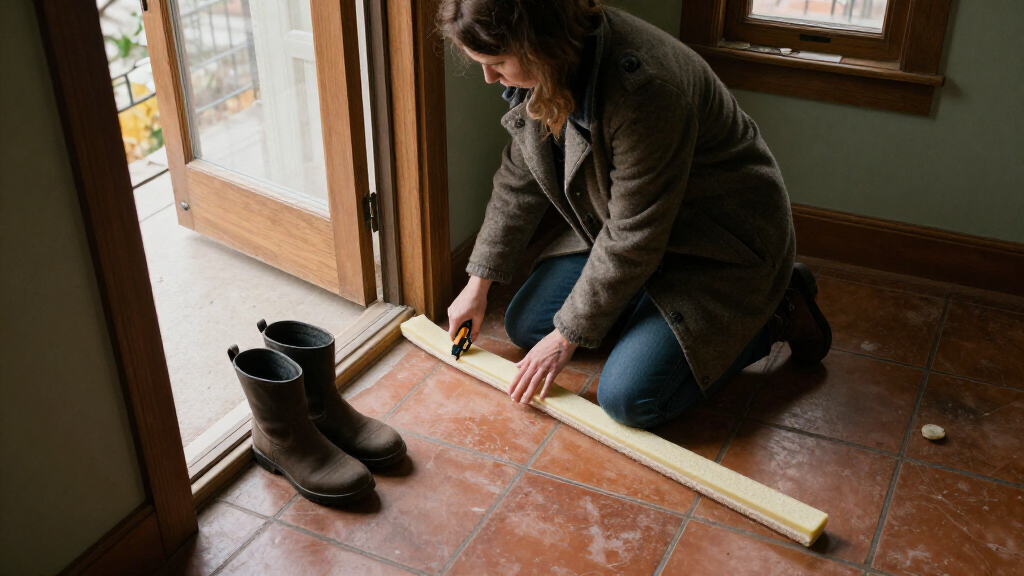
The other areas are exterior walls, windows, exterior doors, water pipes, basements, crawl spaces, garage walls and ceilings, HVAC ductwork, and outlets or other small openings. Contractor Bob Cardwell recommends checking deteriorated window and door seals and weatherstripping, insulating pipes in unheated spaces, and sealing duct joints with mastic or UL-listed foil tape. He says ordinary duct tape can dry out and fail on HVAC ducts.
For basements and crawl spaces, the report points to leaks around rim joists, sill plates and utility penetrations. Cardwell recommends closed-cell foam at rim joists and caulk or expanding foam for smaller gaps, depending on location. A garage that shares a wall with the home should have that wall insulated; the report says moisture-resistant materials may suit damp garages. It does not provide cost estimates or quantify likely energy savings.
Where Heat Escapes Before Winter
Air leaks and inadequate insulation can affect comfort and the amount of heat a home loses during cold weather. The report also says insulating pipes near exterior walls or in unheated areas can help guard against freezing, while insulating hot water pipes can reduce heat loss from the water. These are potential benefits; the report does not establish a specific reduction in utility bills.
The recommendations distinguish between sealing air leaks and slowing heat transfer. Kazimierski says sealing gaps helps, but insulation is also needed to reduce heat moving through building materials. That distinction matters when a home feels drafty: adding insulation alone may not address openings that let outdoor air inside.
The Report’s Fall Checklist
The checklist draws on comments from roofing and HVAC contractors, including Kazimierski and Cardwell. It treats winter preparation as a home-by-home inspection rather than a single insulation project. The suggested materials vary: blown-in insulation for finished walls where opening them is undesirable, spray foam for some gaps, and pipe sleeves for exposed plumbing in relatively protected locations.
The source also includes advice from roofer Cody Purtle to begin with the attic because warm air rises and may escape through an inadequately insulated roof area. The article says spring can be the best time to add attic insulation, according to Cardwell, but the source text cuts off before giving his full explanation.
“Sealing gaps goes a very long way with improving overall insulation.”
— Andre Kazimierski, HomeHero Roofing

WOWBOX 25-teiliges transparentes Kunststoff-Schubladen-Organizer-Set, 4 Größen, Schreibtisch-Schubladen-Trenner, Organizer und Aufbewahrungsbehälter für Make-up, Schmuck, Badezimmer, Büro
- Material: Ungiftiger, transparent Kunststoff
- Set Inhalt: 25 Aufbewahrungsbehälter in 4 Größen
- Größen: Verschiedene Größen für Vielseitigkeit
As an affiliate, we earn on qualifying purchases.
Savings Depend on Each Home
The report does not give a publication date, cost estimates, energy-bill data or measured results for the recommended work. It is also not clear which measures would be suitable for any particular house without an inspection. The source’s final answer about whether fall is the best time to add attic insulation is incomplete: it says Cardwell favors spring, but the explanation is cut off.
Recommendations for materials and methods are attributed to the contractors and may depend on the condition and construction of a home. The report does not say that every home needs all 10 areas insulated.

Tiawudi Aufbewahrungsbehälter aus Kunststoff, transparent, vielseitig verwendbar, 12 Stück
- Versatile Storage Containers: Multi-purpose plastic storage set
As an affiliate, we earn on qualifying purchases.
Inspect Seals and Attic Areas
The report recommends checking window and door seals in fall, looking for drafts and gaps, and paying particular attention to attic insulation and roof condition. Homeowners can identify exposed pipes and ducts in unheated spaces for inspection as well. The source advises contacting a roofer to inspect and seal gaps on an old or weathered roof; it does not give a timeline for completing other work.

Kmiectse Transparente Aufbewahrungsbehälter mit Deckel, 4 Ebenen, Kunststoffbehälter mit Rollen, stapelbarer Aufbewahrungsbehälter, Schrank-Organizer für Schlafzimmer, Wohnzimmer, 23 QT Faltbox mit
- Large Stackable Storage Bins: 92 Qt capacity, 4 levels, 39x27.9x21 cm each
- Durable PP Material: Sturdy, long-lasting construction for daily use
- Dual Opening Design: Magnetic front door and top lid for easy access
As an affiliate, we earn on qualifying purchases.
Key Questions
Which area should homeowners check first?
The report’s quoted roofing experts recommend starting with the attic and roof spaces, where heat may escape if insulation is inadequate or gaps are present.
Which pipes should be insulated?
The report recommends protecting pipes near exterior walls and in unheated spaces such as attics, basements and crawl spaces. It also says insulating hot water pipes can limit heat loss.
What should be used to seal HVAC duct leaks?
Cardwell recommends mastic or UL-listed foil tape for duct leaks. He says ordinary duct tape may dry out and fail on HVAC ducts.
Does the report say fall is the best time to insulate an attic?
No. The source says Cardwell considers spring the best time to add attic insulation, but the explanation in the supplied text is incomplete.
Source: rss