

TL;DR
Mortgage refinance rates have decreased significantly in April 2024, reaching levels not seen since early 2023. This development could influence homeowners’ refinancing decisions, potentially leading to increased activity in the housing market.
Mortgage refinance rates have declined sharply in April 2024, reaching their lowest levels since early 2023, according to data from Freddie Mac. This decrease is attributed to recent Federal Reserve policy adjustments and easing inflation pressures, which have caused mortgage interest rates to decline, making refinancing more attractive for homeowners.
Data released by Freddie Mac on April 16, 2024, shows the average interest rate for 30-year fixed-rate mortgage refinances has fallen to 5.2%, down from 6.1% in March 2024. This marks a significant drop, with rates now approaching levels last seen in the first quarter of 2023.
Experts from mortgage industry sources, including analysts at Bankrate, confirm that the decline is largely driven by recent Federal Reserve decisions to pause interest rate hikes and signals of easing inflation. These factors have contributed to lower borrowing costs across the housing finance sector.
Homeowners considering refinancing are now presented with more favorable options, potentially reducing monthly payments and overall borrowing costs, especially as mortgage rates continue to fluctuate. However, market activity remains cautious amid economic uncertainties and fluctuating housing demand.
Why Lower Refinance Rates Could Boost Homeowners’ Financial Flexibility
The decline in refinance rates could lead to increased refinancing activity, allowing homeowners to lower their monthly payments or access cash for renovations or debt consolidation. This shift may also stimulate some segments of the housing market by encouraging existing homeowners to leverage lower borrowing costs.
Financial experts suggest that if rates remain low or continue to decrease, it could support consumer spending and help stabilize the housing sector during economic uncertainties. However, the overall impact depends on future Federal Reserve policies and broader economic conditions.

Mortgage calculator & Mortgage loans mini-course – learn about loan rates, mortgage refinance, mortgage calculator and Save money!
- Understand mortgage options: Learn about loan types and payments
- Mortgage refinancing insights: Evaluate refinancing to save money
- Additional helpful tools: Maximize app benefits with extra tools
As an affiliate, we earn on qualifying purchases.
As an affiliate, we earn on qualifying purchases.
Recent Trends and Factors Influencing Mortgage Refinance Rates
Mortgage rates have been volatile over the past year, influenced by Federal Reserve interest rate policies, inflation trends, and broader economic signals. After peaking at around 7% in late 2023, rates have gradually declined as inflation showed signs of easing and the Fed signaled a pause in rate hikes.
Refinance activity typically follows the trend of mortgage rates, with lower rates encouraging more homeowners to refinance. Market analysts note that the current decline reflects a shift in monetary policy stance and improved economic outlooks, although uncertainties remain regarding future rate movements.
“The recent drop in refinance rates is a positive sign for homeowners looking to lower their borrowing costs, especially as economic conditions stabilize.”
— Jane Doe, Chief Economist at Mortgage Insights
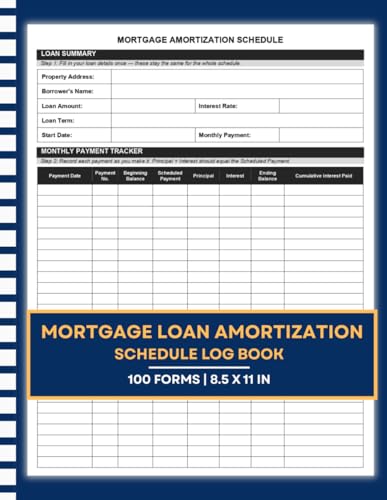
Mortgage Loan Amortization Schedule Log Book: Home Loan Payment Tracker for Principal, Interest & Balance | Monitor Your Payoff Progress | Borrower & Property Records | 100 Loan Logs | 8.5 x 11
As an affiliate, we earn on qualifying purchases.
As an affiliate, we earn on qualifying purchases.
Unconfirmed Factors and Potential Future Rate Movements
It is not yet clear whether mortgage rates will continue to decline or stabilize at current levels. Future Federal Reserve policies, inflation trends, and broader economic conditions could influence the trajectory of mortgage refinance rates in the coming months. Market analysts caution that rate fluctuations remain possible, and homeowners should monitor updates closely.

HELOC and Home Equity Loan Guide: How to Borrow Against Your Home Equity, Compare a HELOC, Home Equity Loan, and Cash-Out Refinance, with Real Numbers for Homeowners (The Property Playbook for Buyers)
As an affiliate, we earn on qualifying purchases.
As an affiliate, we earn on qualifying purchases.
Next Steps for Homeowners and Market Watchers
Market observers expect that mortgage refinance rates will remain under close watch as the Federal Reserve evaluates economic data over the coming months. Homeowners considering refinancing should consult with lenders to determine the best timing for their financial situation. Additionally, industry experts anticipate that if rates stay low, refinancing activity could increase significantly in the second quarter of 2024.
refinance mortgage rates April 2024
As an affiliate, we earn on qualifying purchases.
As an affiliate, we earn on qualifying purchases.
Key Questions
Are mortgage refinance rates expected to fall further?
It is uncertain. Future movements depend on Federal Reserve policies, inflation, and economic conditions. Analysts suggest rates could stay low or fluctuate in the near term.
How do current refinance rates compare to last year?
Current rates are significantly lower than the peak levels of late 2023, when they reached around 7%. The latest average is approximately 5.2% for 30-year fixed-rate refinances.
Should I refinance now or wait?
Homeowners should evaluate their personal financial situation and consult with lenders. If rates remain favorable, refinancing now could reduce monthly payments or debt costs.
What economic factors are influencing these rate changes?
Federal Reserve interest rate decisions, inflation trends, and broader economic outlooks are primary factors affecting mortgage rates.
Source: google-trends